
Reframing a system dependency into a scalable targeting strategy
View case studyA leadership case study on designing flexibility, reliability, and long-term resilience into a research platform.
When a closed ecosystem starts showing cracks
For years, the platform operated on a simple, tightly integrated model:
One workflow
One audience source
Predictable, fast outcomes
But as audience availability fluctuated, the impact rippled across the ecosystem:
Study timelines became inconsistent
Ops interventions increased
Quality controls slowed completion
Architecture could not easily support alternative sources
The symptoms were scattered, but the system dependency was not.
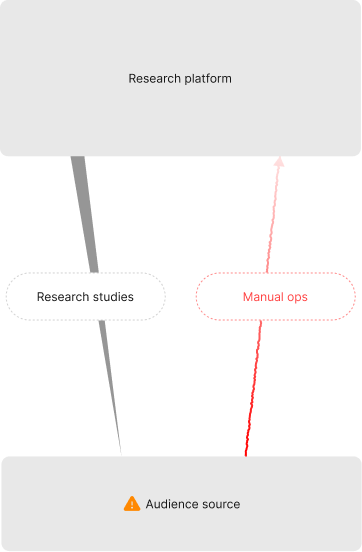
My Role: Bring strategic clarity to an urgent, system-level problem
As Director of Product Experience, my responsibility wasn’t tactical delivery.
It was to uncover the real problem and create a north star the entire org could rally behind.
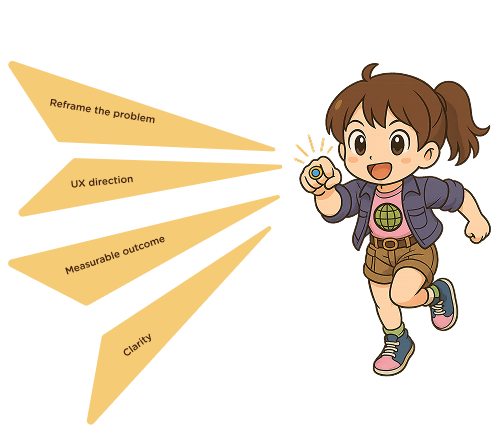
I shaped the work around four leadership pillars:
Reframe the Problem – Expose the underlying system dependency, not the surface-level symptoms.
Establish the UX Direction – Define what a modular, audience-agnostic targeting model should look and feel like.
Anchor Everything to Measurable Outcomes – Speed. Reliability. Scalability. Flexibility.
Provide Strategic Clarity Across Functions – Equip Product, engineering, ops, and GTM with mental models they could execute consistently.
This alignment work ensured the initiative stayed cohesive, not fragmented.
Strategic insight & research
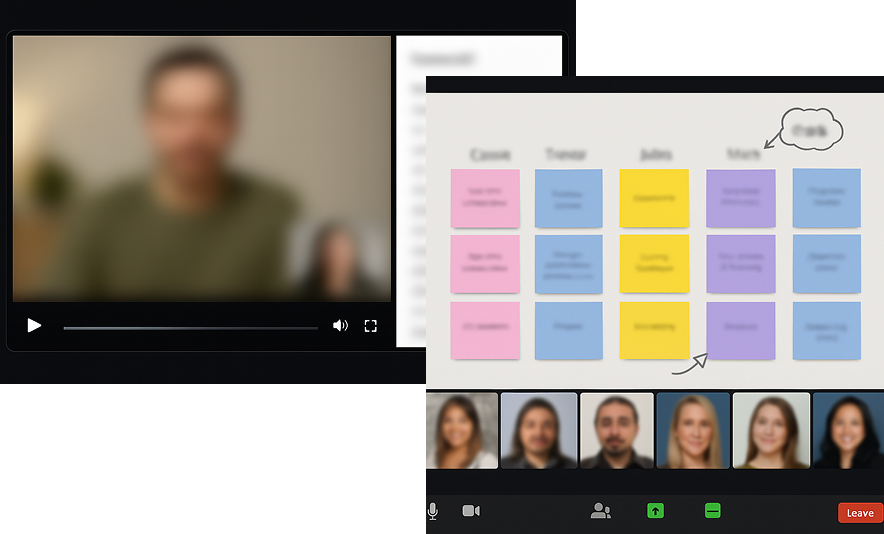
Once I reframed the issue at a systems level, I directed the team to validate and deepen our understanding of the workflow. Under that direction, my IC designer led a focused research sprint and lightweight stakeholder workshops. The work revealed that nearly every pain point traced back to the same root cause — major parts of the workflow relied completely on one audience source.
This surfaced the breakthrough insight, directly aligned with my strategic framing:
qualification needed to happen inside the survey, not before it.
What the research uncovered (under my direction):
Users were frustrated with rigid screening requirements
Internal priorities around quality and speed conflicted
Key workflow steps depended on a single source
Workshops confirmed shared constraints and alignment gaps
What this insight enabled:
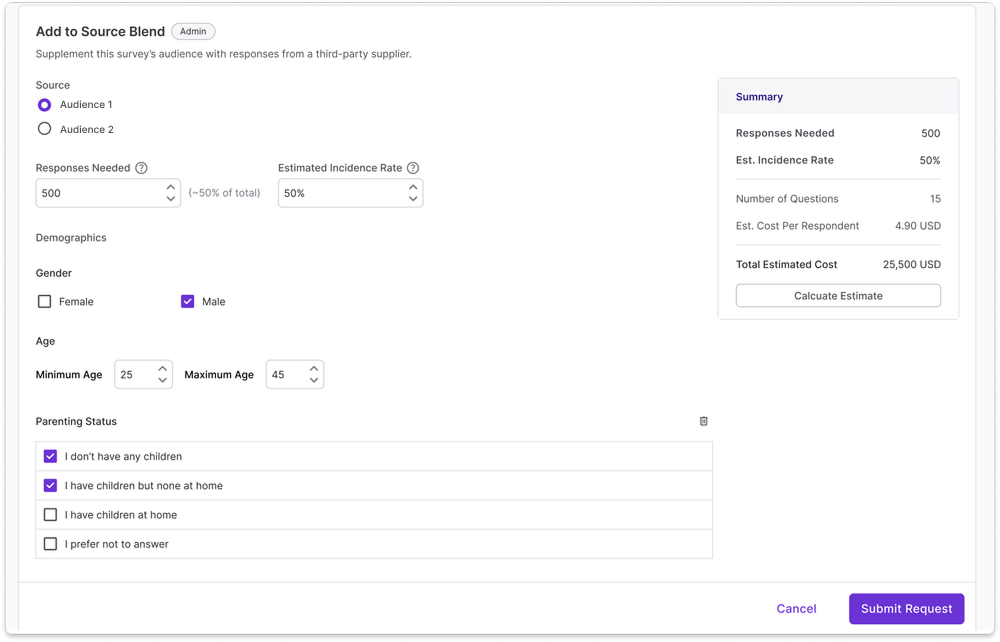
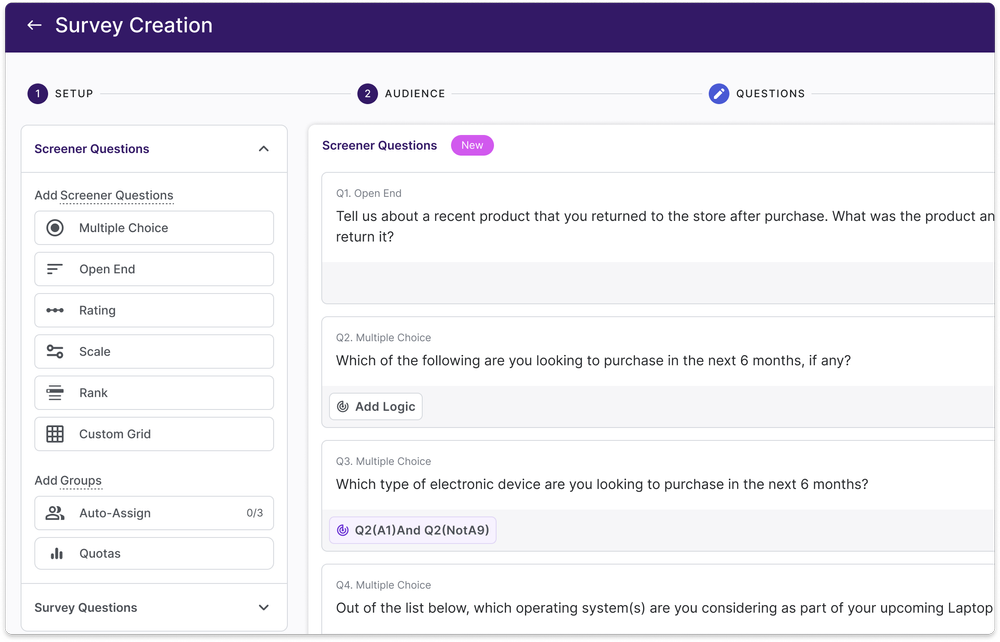
A simpler, self-contained qualification experience
Reduced dependency on any single source
A workflow ready for multi-source flexibility and growth
How the team delivered
With the strategy set, the design and engineering teams translated the vision into a clearer, more resilient workflow:
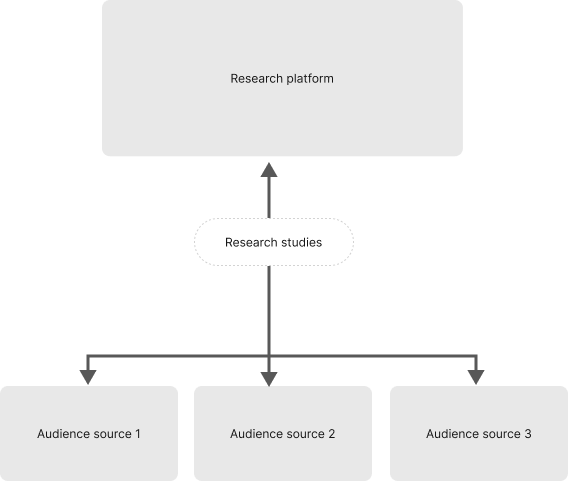
A flexible foundation capable of supporting multiple audience sources through internal tools
Expanded question types in addition to multiple choice questions; text open ends, scale/rank and custom grid
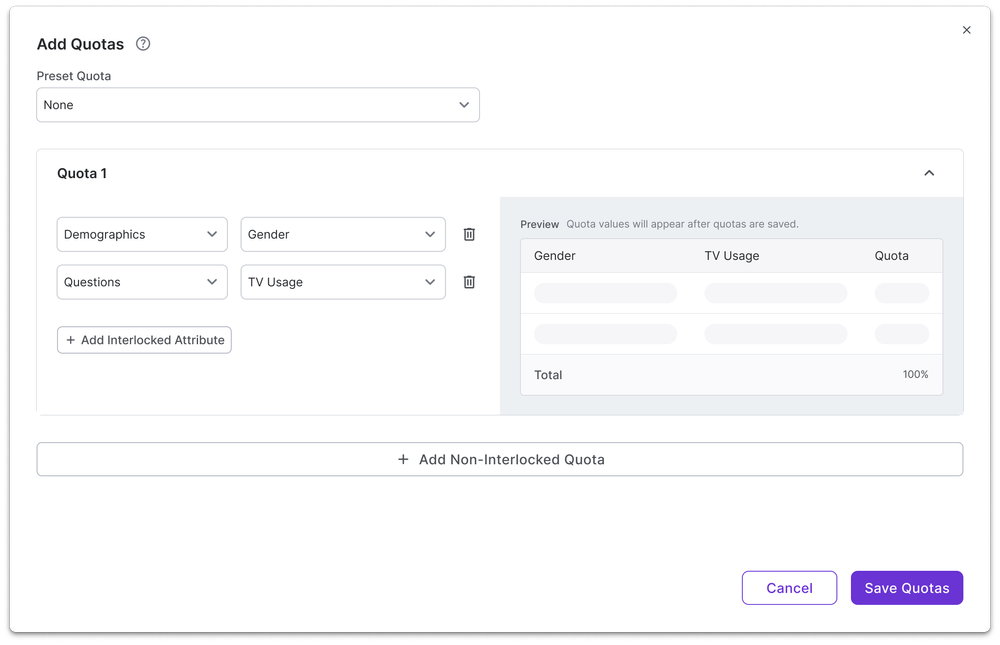
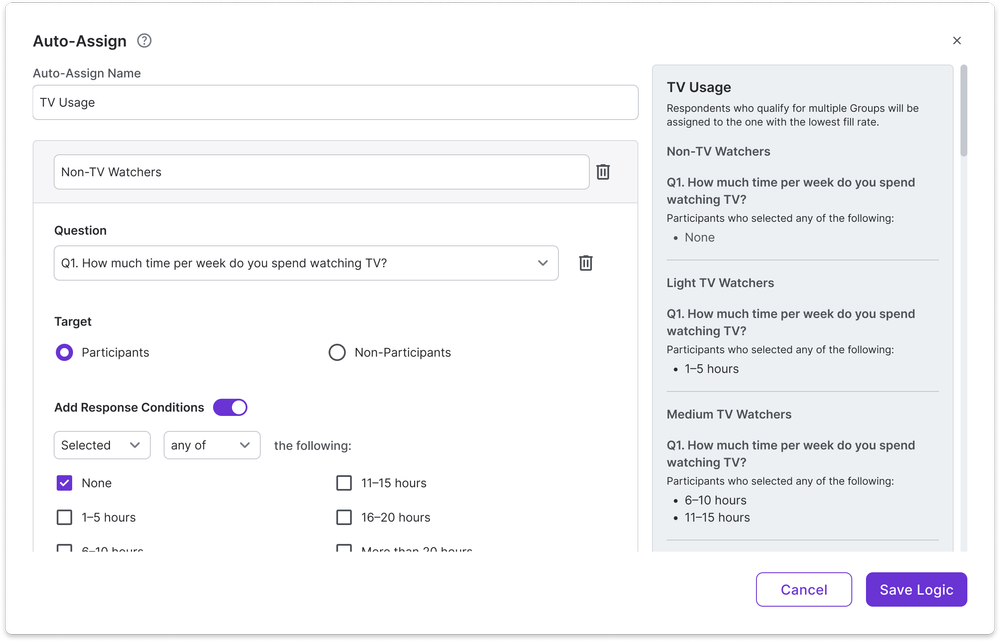
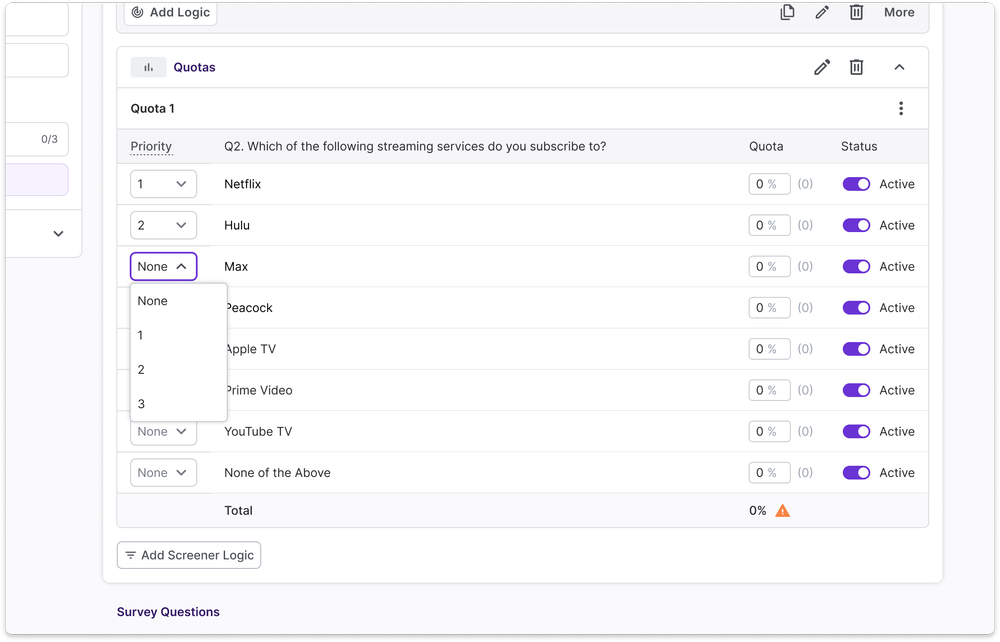
Improved quota setup integrated into the survey experience
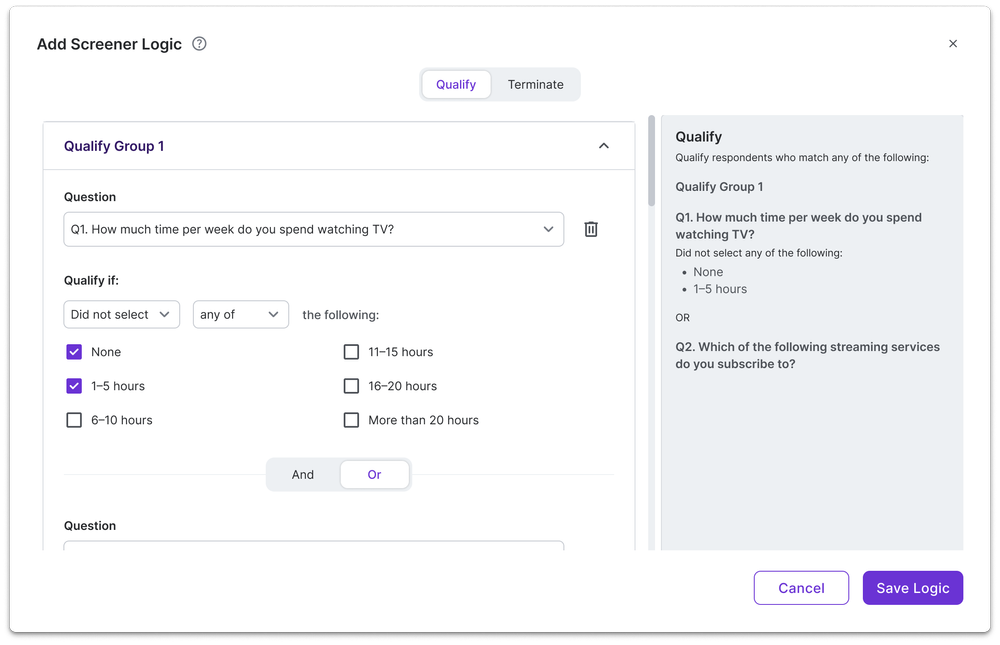
Built-in qualification steps directly inside the survey
Streamlined logic controls that simplified complex flows
My role throughout delivery was to keep the work anchored to the system principles — ensuring every solution addressed the root dependency, not just local symptoms.
The outcome
The shift produced meaningful improvements across both short-term performance and long-term scalability.
Short-Term Gains
More predictable study completion
Fewer operational fire drills
A more stable and reliable workflow
Long-Term Impact
Removed the single point of failure
Enabled support for multiple audience sources
Established a future-ready system foundation
This was more than a UX fix — it was a structural redesign of how targeting worked at a platform level.
Reflection
That experience reinforced one of my biggest beliefs as a design leader:
Great UX leadership is systems leadership.
It’s not just about designing screens; it’s about designing the structures that make speed, clarity, and alignment possible across an entire organization.