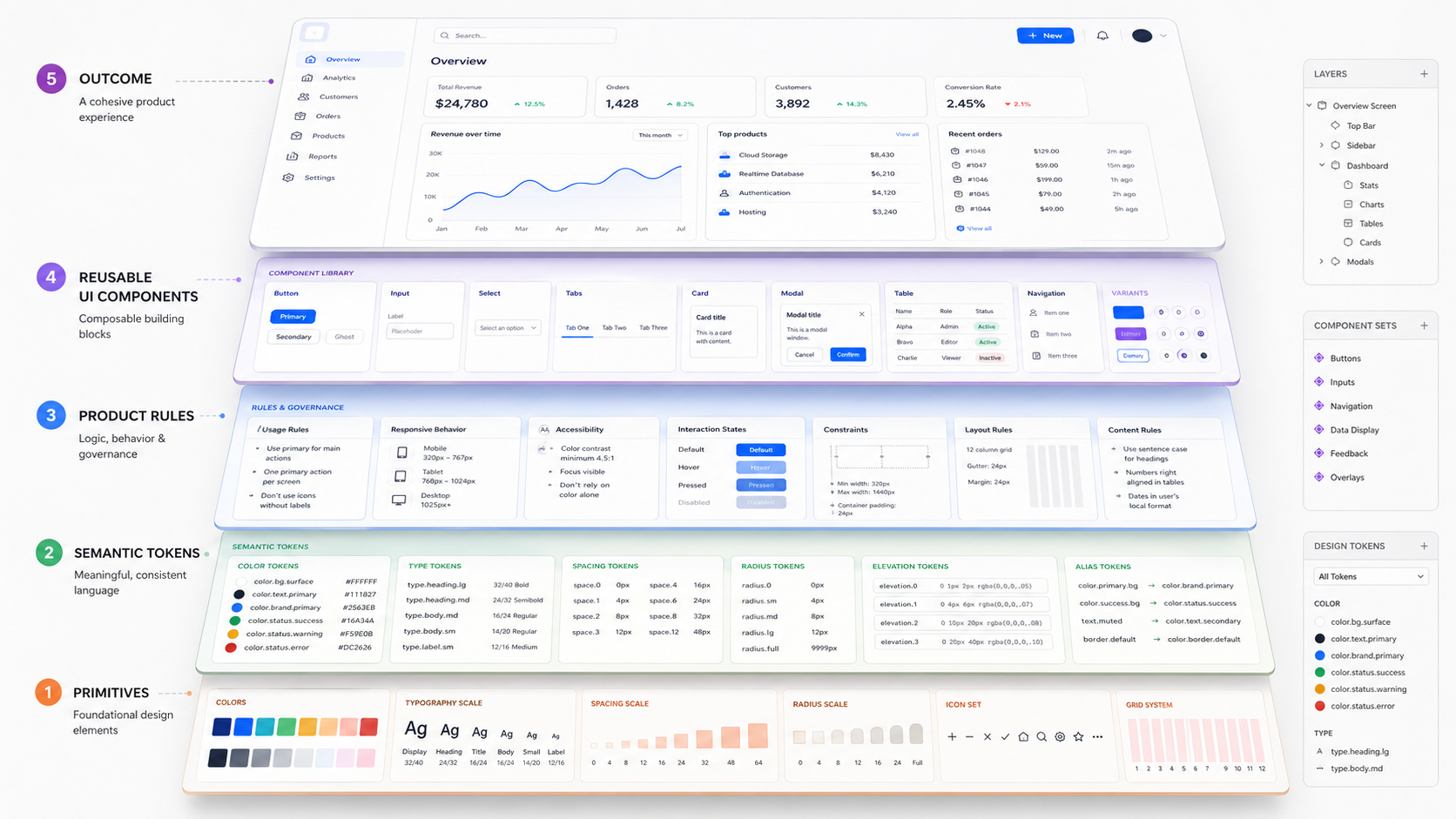
A lot of design system work starts with visible pieces: buttons, inputs, cards, modals, and navigation. These are the parts teams see every day, and where inconsistency often shows up first.
But strong systems start one layer deeper. Before creating reusable components, a team needs a foundation for how the product should look, behave, and scale.
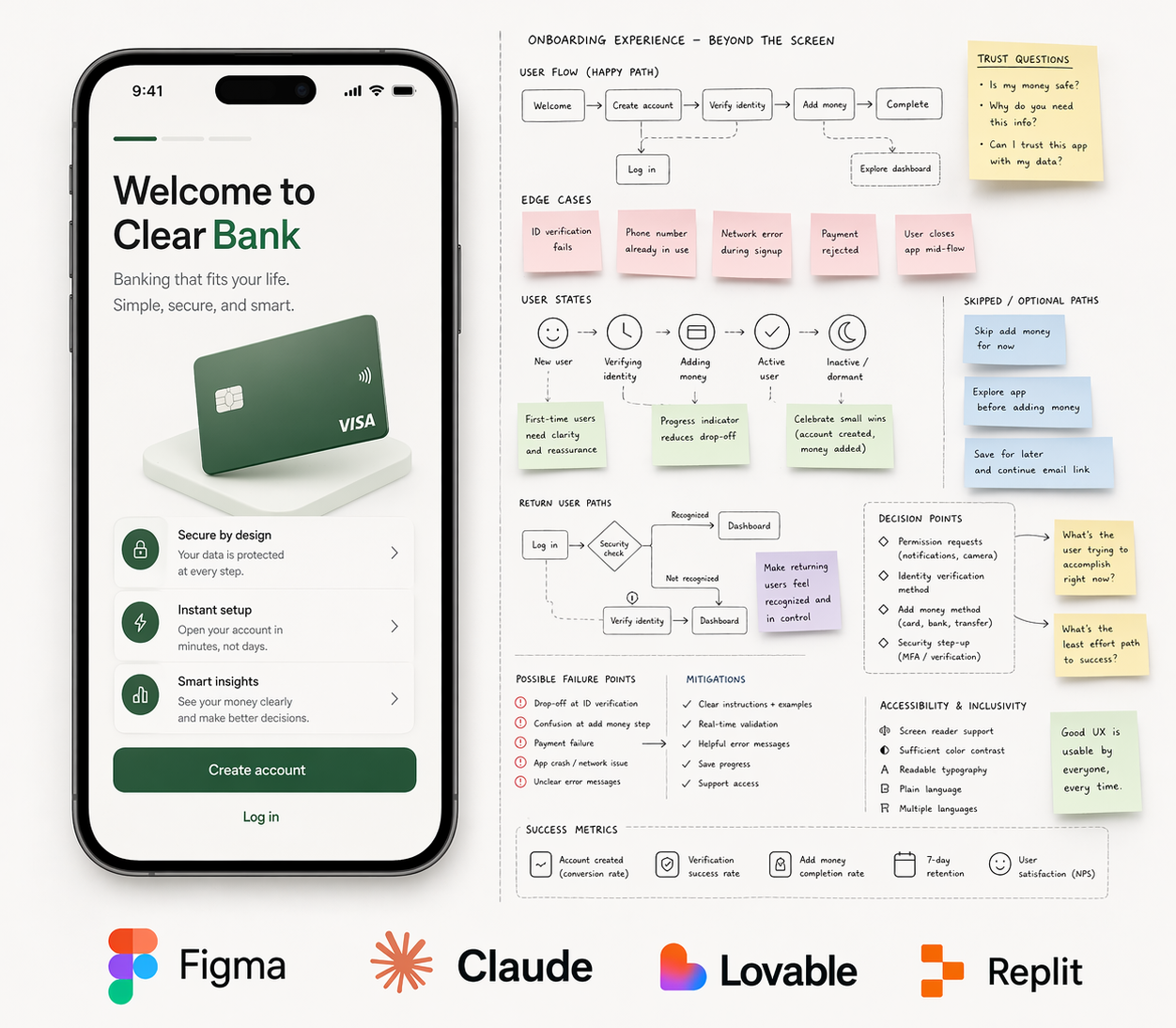
AI can already generate wireframes, polished screens, clickable prototypes, and outputs that feel close to a real product. That part is real. But what happens after vibe coding? The real work begins.

One of the easiest ways to burn through Claude credits is asking it to read the whole PRD every time.
At first, it feels like the right thing to do. The PRD has the vision, requirements, product logic, user flows, technical notes, edge cases, and future ideas. So every time you start a new task, the instinct is to say, “Read the full PRD first.”
But that becomes a trap.